Practical Innovation: turn "be more innovative" into a method
I install the structure behind good ideas - so innovation stops being a slogan on the wall and becomes something your team can actually repeat.
Short answer: Practical Innovation is a hands-on session where teams learn structured ways to generate, sharpen, and pressure-test better ideas. Most organisations tell people to "innovate" and then hand them a blank whiteboard - and the blank page is the problem. I install the structure that actually produces ideas: a method to force breadth before you narrow, a way to get from a surface complaint to the real opportunity, and a discipline to solve the right problem before you fall in love with a solution. It runs on the Put The Player First framework and my Decision Labs approach to experiential learning, with AI brought in as a thinking partner.
Key takeaways
| Question | The short version |
|---|---|
| What is it | A hands-on program that gives teams a repeatable method to generate, sharpen, and pressure-test ideas |
| Who it is for | Corporate and capability-centre teams building innovation, creative problem-solving, or critical-thinking capability |
| How it works | Experiential and game-based: five techniques, worked against a real challenge, minimal lecture |
| What changes | People stop defaulting to the first idea and start solving the right problem the right way |
| Proof | Core techniques are the spine of an enablement program that scored 8.82/10 across 113 respondents, with a follow-on program commissioned |


The gap it closes
You've seen how this goes. Leadership says "be more innovative," someone books a room with a whiteboard, and everyone stares at the blank page waiting for lightning to strike. It doesn't. Good ideas don't come from staring harder - they come from structure: a method to force breadth before you narrow, a way to move from a surface observation to the real opportunity, and a discipline to make sure you're solving the right problem before you commit to a solution.
Without that structure, teams grab the first idea, argue in circles, or solve the wrong problem beautifully. I install the structure, and bring AI in as a thinking partner so your people can generate and stress-test ideas faster than they ever could alone.
Who it is for
This is built for teams with a real capability to develop, not as remedial training. You'll recognise your team in at least one of these:
- You've got an innovation, creative problem-solving, or critical-thinking competency to build - it maps cleanly onto a "cultivates innovation" style capability.
- Your people are 3 to 10 years in, individual contributor to team lead, in batches of roughly 15 to 30 (minimum 12, cap around 30 online).
- The "be innovative" push has stalled at posters and town-halls - or your team keeps defaulting to the first idea, arguing in circles, or solving the wrong problem well.
 What your people can actually do by the end
Not "feel more creative." Do specific things - here's the leverage they walk out with:
- Turn one challenge into a wall of options. A structured ideation method that blows past the first-idea trap and produces volume and diversity on demand, instead of the same three tired suggestions.
- Find the real problem hiding under the obvious one. The drill that moves them from a surface complaint to the underlying opportunity worth solving - so they stop solving symptoms brilliantly.
- Know whether they're exploring or deciding at every step. The divergence-convergence discipline that keeps a team from collapsing on a solution before they've understood the problem.
- Make AI a sparring partner, not a search box. How to use it to challenge their own assumptions and pressure-test a direction, and the tell that catches fluent-but-wrong output before it costs them.
How it works
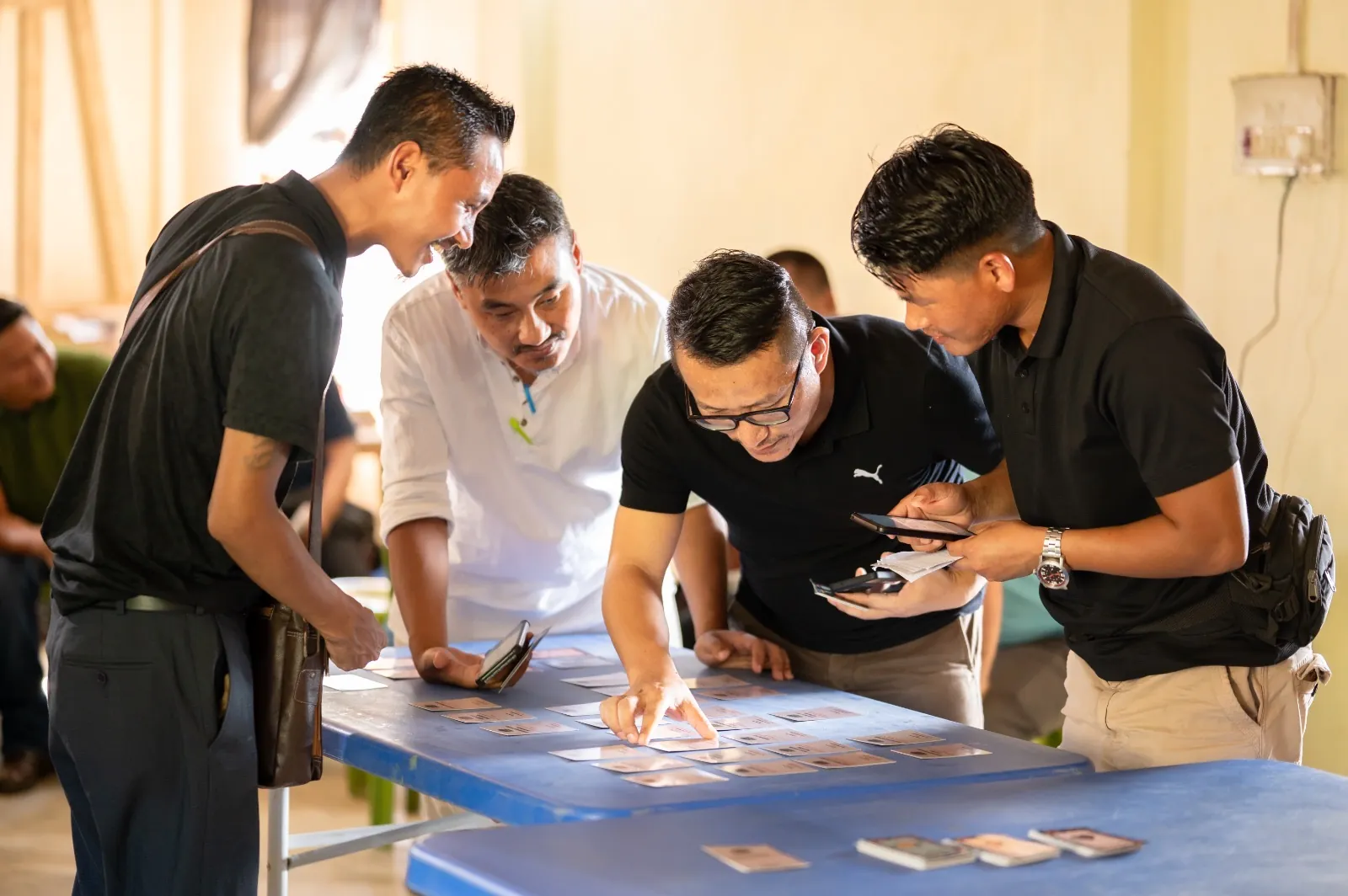
The default is a focused three-hour online session. It scales up to a half-day or full-day in-person deep-dive with more practice reps and a longer debrief, or out across multiple batches on a calendar program. Either way it's about 80 percent hands-on: every technique lands through an activity against a real or simulated challenge, never through a slide. This is the Decision Labs method - drop people into a situation that responds to their choices, make their thinking visible, and develop it from there.
The spine is five techniques, worked in sequence on a single challenge the group carries through the whole session:
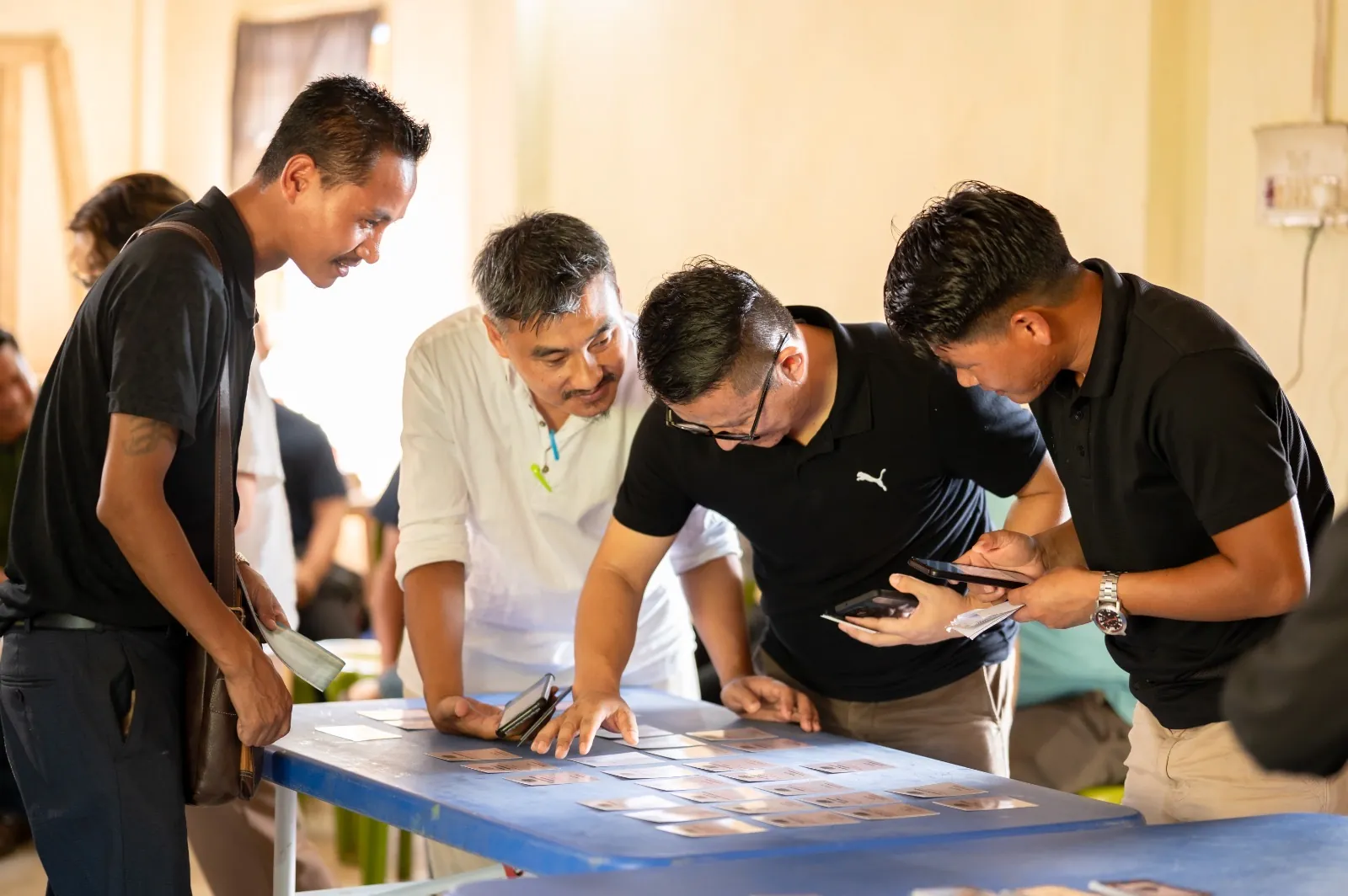
- Think under constraint. A timed team challenge drawn from my Sticky Fingers serious game, where people solve under pressure with half the information. The debrief pulls out who reached for structured strategy over trial-and-error - and who quietly hoarded what they knew.
- Generate breadth on demand. A structured ideation method that puts the challenge at the centre and blooms directions and sub-ideas around it, forcing volume and diversity before judgement gets a vote. The output is a wall of options, not one pet idea.
- Find the real opportunity. The diagnostic drill that gets a team from a surface observation to the underlying need worth solving - the difference between fixing a symptom and fixing the problem.
- Never fall for the wrong problem. A divergence-convergence discipline that makes teams name whether they're exploring or deciding at each step, so they don't commit to a slick solution to the wrong question.
- Turn AI into a sparring partner. Live prompting against the group's own challenge to widen options and pressure-test the chosen direction - plus the clear caution on when fluent output is confidently wrong.
Then it closes on transfer: each technique gets mapped to a real workplace moment, and every person commits to one they'll put on a live problem this month. Nobody leaves with just notes.
Where it fits in the Put The Player First system
Practical Innovation is one expression of a single underlying engine. The Put The Player First framework turns a growth challenge into a designed experience: a player, a real problem, a quest with consequences, and a debrief that claims the learning. Practical Innovation applies that engine to how teams generate and decide on ideas.
It sits alongside Insight to Impact, our program for thinking and deciding better with AI, and our wider catalogue of serious games. For the broader case on why experiential design changes behaviour where classroom training does not, start with the serious games for leadership development guide.
What it produces, and the proof behind it
I'll keep the claim honest: this is about capability - people leave with a repeatable method and one committed action, not a certificate to file. The program is a productized standalone format, and the techniques underneath it are battle-tested.
- Bought straight off the proposal by a global technology firm to build its "cultivates innovation" capability - no lengthy pilot needed to say yes.
- The core techniques are proven at scale. Structured ideation, the divergence-convergence discipline, and AI as a thinking partner are the spine of an AI enablement program delivered to a Fortune 100 retailer's India capability centre across three batches - 8.82 out of 10 average across 113 respondents, zero low scores, and a follow-on program commissioned on the strength of it.
- Even the opener is a fully engineered serious game. Sticky Fingers is solvability-audited with a built facilitator protocol, selected for live corporate pilots - not an icebreaker I found online.
One honesty note, because it matters: those numbers belong to the prior delivery of the underlying techniques, not to a scored run of Practical Innovation itself. Read the full delivery and design in the AI enablement case study.
Get new games and facilitation playbooks by email
One short email when there is something worth using: a new game, a debrief technique, or a behind-the-scenes look at a real session.
Common questions
What is Practical Innovation?
A hands-on program that gives teams a repeatable method to generate, sharpen, and pressure-test better ideas, delivered experientially with AI as a thinking partner.
Who is it for?
Corporate and capability-centre teams with an innovation, creative problem-solving, or critical-thinking capability to build. Participants are typically 3 to 10 years into their careers, in batches of 15 to 30.
How long is it?
The default is a focused three-hour online session. It scales to a half-day or full-day in-person deep-dive, or a multi-batch calendar program.
Is it a lecture?
No. It is about 80 percent hands-on. Every technique lands through an activity against a real or simulated challenge, and the session closes with one committed action per person.
What does it cost?
Pricing depends on format, group size, and whether it runs online or in-person. Book a call and we will scope it to your team.
Related reading
- Insight to Impact: think and decide better with AI
- The Put The Player First framework
- Decision Labs: consequence-based decision environments
- Sticky Fingers: the critical-thinking serious game
- The AI enablement case study
- See the full catalogue of serious games
Talk to me about your team Read the case study first
No obligation, no pitch deck - just a straight conversation about the capability you're trying to build and whether this is the right way to build it.