
A hands-on session that turns "be more innovative" into a repeatable method. Structured ideation, sharper problem-framing, and critical thinking under pressure, with AI as a thinking partner.
Most teams are told to innovate and handed a blank whiteboard. The blank page is the problem. Good ideas don't come from staring harder. They come from structure.
With no method to force breadth, teams grab the first workable idea and stop. The better option never makes it onto the table.
People fall in love with a solution before they've named the real problem. Effort goes into building the wrong thing well.
Under pressure, teams chase the loudest voice and never surface the assumptions quietly steering every decision.
Innovation, creative problem solving, and critical thinking, each installed as a technique people can rerun on Monday, not a mood they're told to have.
Run a structured ideation method to expand one challenge into a high volume of diverse, non-obvious ideas, past the first-idea trap.
Move from a surface observation to the real opportunity, and separate exploring from deciding so they solve the right problem the right way.
Think and decide under constraint, surface the assumptions they didn't know they were making, and use AI to stress-test instead of rubber-stamp.
Concept, then applied framework, then hands-on practice against a real or simulated challenge the group carries through the whole session. Lecture kept to a minimum.
Why "just be creative" fails. Frame the challenge the group will work all session.
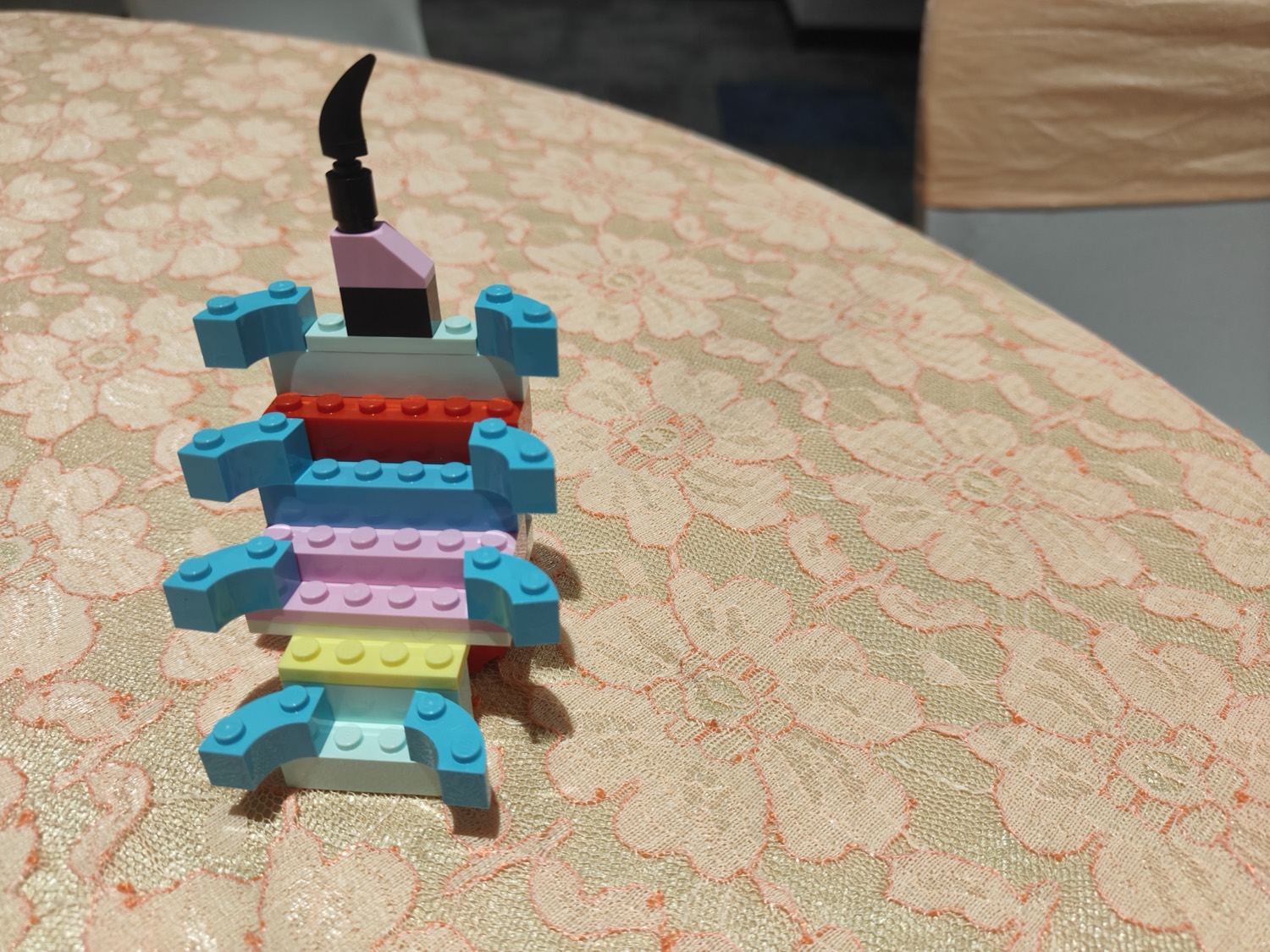
A timed team challenge under pressure and incomplete information. Debrief pulls the critical-thinking lesson.
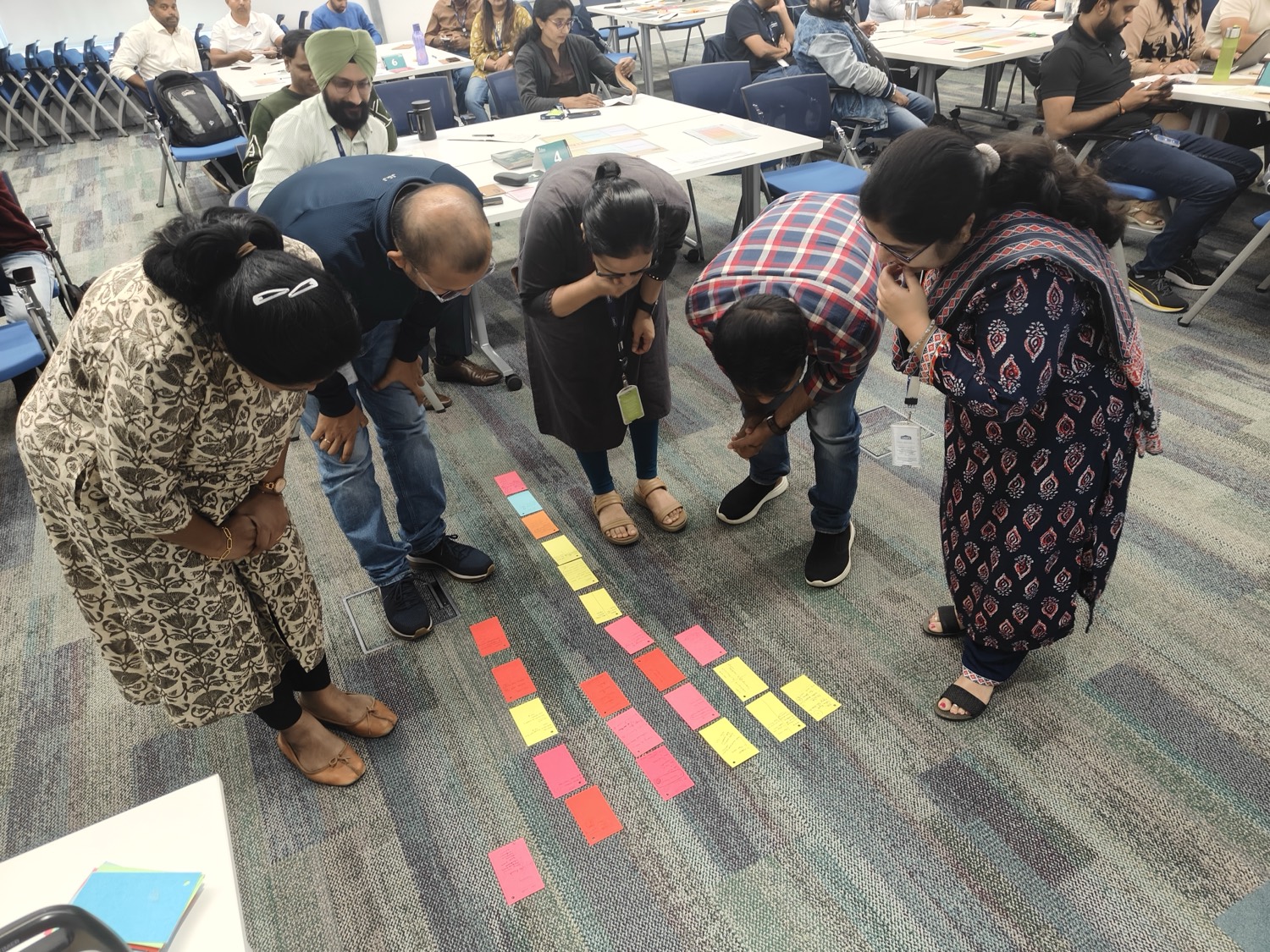
Structured ideation. One challenge blooms into a wall of options, not one pet idea.
Drill from surface observation to the underlying need worth solving. Symptom vs problem.
Place the work on the diamond so the team knows when it's exploring versus deciding.
Map each technique to a real work moment. Each person commits to one they'll use this month.
AI as a thinking partner is woven through steps 3–5. The 3-hour online format is the default. It scales to a half-day or full-day in-person deep-dive, or across multiple batches. Same spine, more reps on the mat.
A timed team challenge — problem-solving under pressure with incomplete information. Teaches structured strategy over trial-and-error, questioning assumptions, and how a team manages information instead of chasing the loudest voice.
Structured ideation. One central challenge, eight directions around it, then eight more around each. Forces volume and diversity before judgement, so the first idea is never the only idea.
A diagnostic move from surface observation to a meaningful, workable opportunity. Drill past the symptom to the real need worth solving before anyone starts building.
The design-thinking discipline. Diverge to explore, converge to define, diverge for solutions, converge to decide. Names which mode you're in so you solve the right problem the right way.
Use AI to challenge assumptions, widen the ideation, and stress-test the chosen direction, while learning to tell a fluent answer from a true one. Speed without switching off the brain.
Every technique lands through an activity on the group's own challenge, not a slide shown and forgotten.
This programme was designed, proposed, and bought by Akamai for their "Cultivates Innovation" competency. Its core frameworks are already scored across a separate corporate engagement.
Akamai Technologies booked Practical Innovation as a 3-hour online session for their team, mapped to the Cultivates Innovation competency. A tech buyer read the design and put it on the calendar.
Straight talk: the 8.82/10 is the score for the sibling engagement that proved these frameworks, not a score for this exact session. Practical Innovation is booked and runs in 2026. The quotes are verbatim from participants who learned the same core techniques.
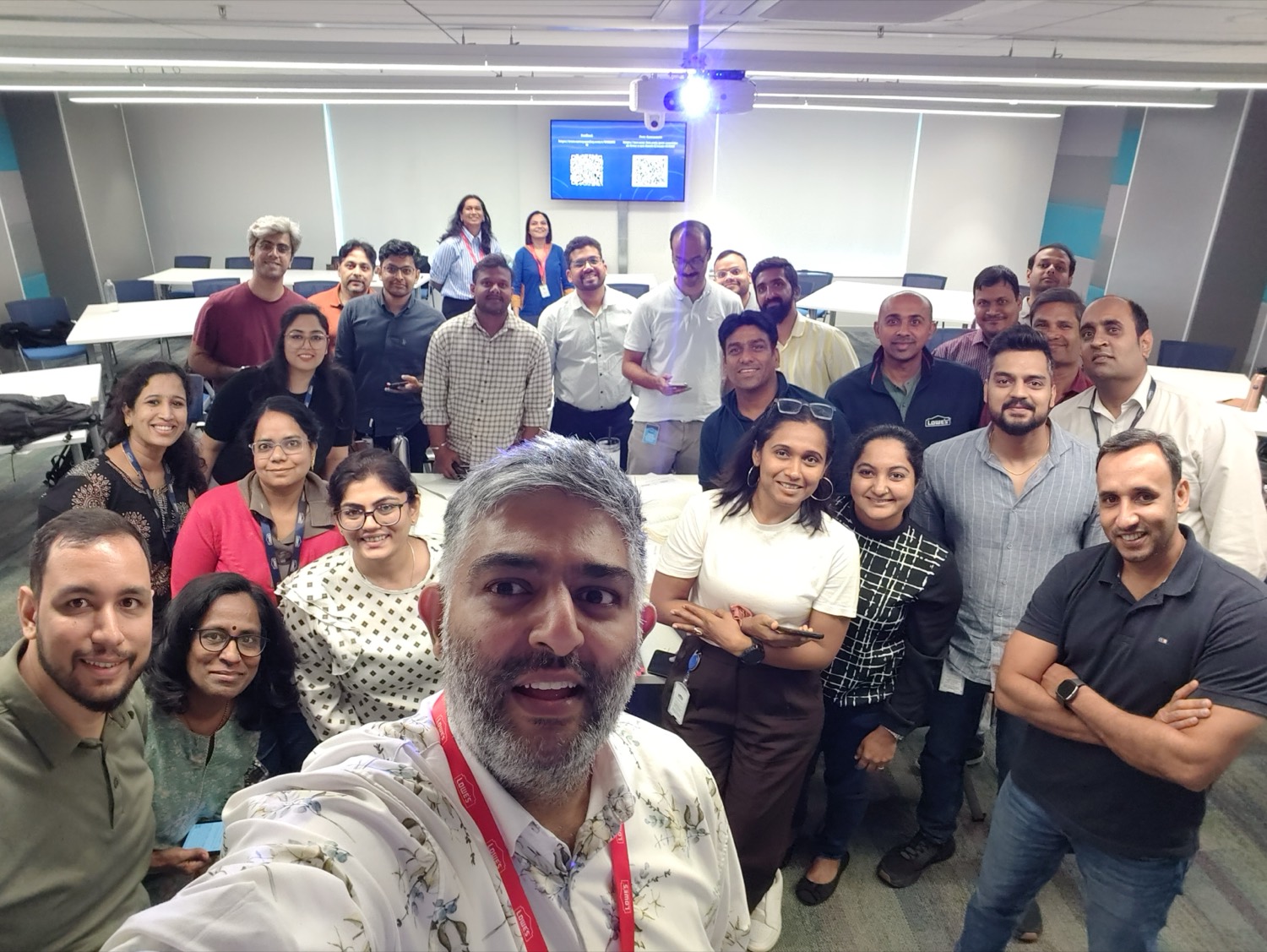
Not a webinar and not a slide deck. People working a live problem, generating options, pressure-testing each other, and deciding under a clock.
We scope the format, your team, and the real challenge they're stuck on, then design the session around it.
Pricing shared on the call, scoped to format, batch count, and location. Direct engagements only.