
How to Improve Team Communication: A Manager's Guide
Stop telling people to communicate better. Change what they communicate under.
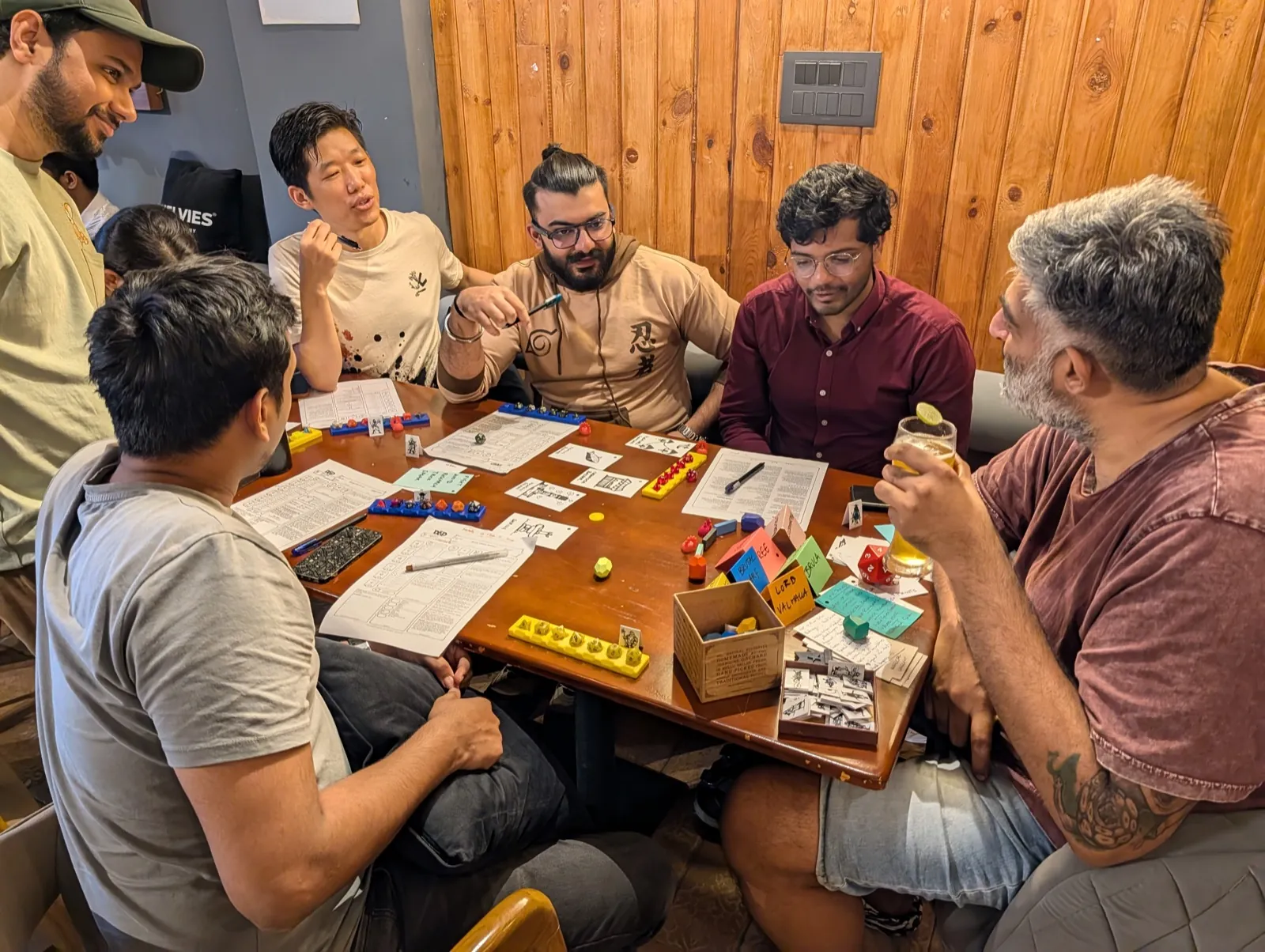
Short answer: fix the system, stop nagging the people. Set explicit norms about which channel carries which kind of message. Get the information trapped in one person's head written down where everybody can find it. Raise the signal-to-noise ratio by killing the low-value updates. And model actual listening by reflecting back what you heard before you reply. Communication is a behaviour. It improves when you change the conditions, never when you ask everyone to try a bit harder.
Key takeaways
| Problem | Real cause | What to do |
|---|---|---|
| People keep getting surprised | Distributed information, no shared source of truth | Write decisions down, make them findable |
| Too many updates, nothing lands | Low signal-to-noise ratio | Cut routine noise, flag what actually needs action |
| "I told them" but they did the wrong thing | Assumed shared context, wrong channel | Make context explicit, match channel to message |
| People talk past each other | Waiting to reply instead of listening | Reflect back before responding, model it yourself |
| Norms ignored | Rules handed down, never agreed | Agree norms out loud, manager goes first |
 Why teams miscommunicate (it is rarely the people)
When a team keeps crossing wires the instinct is to decide somebody was careless, or that everyone should just "communicate more". Both are usually wrong. Most miscommunication is structural. The conditions make the mistake likely, and any reasonable person dropped into those conditions makes the same one. Fix the person and leave the system alone and the identical failure comes back in six weeks with a different name on it.
Four structural causes show up again and again. Distributed information: no single person holds the full picture, so everyone acts on a partial one. Assumed shared context: the sender knows three things the receiver does not, never says them, and assumes the gap does not exist. Wrong channel: a decision that needed a written record gets made in a chat thread that scrolls away by Tuesday. Noise: the one message that mattered was buried under twenty that did not. None of these are personality flaws. They are design flaws, which is good news, because design is something a manager can change.
Signal vs noise: the ratio you are actually managing
Every team has a signal-to-noise ratio, and most managers quietly make it worse. Every status update, every "just looping you in", every reply-all adds volume. Past a certain point volume stops increasing understanding and starts hiding it. The one message that needed a reply sits unread, because it looks exactly like the forty that didn't.
Improving communication usually means sending less. Be ruthless about what genuinely needs a human to read it right now, versus what can sit in a document someone opens when they need it. When something actually needs action, say so plainly and put the ask at the top. And here's the test to run before you hit send. Is this signal for them, or is it noise I'm offloading so I can feel like I communicated? The second one feels identical from the inside. It is not the same thing.
 Listening is the half nobody trains
Communication always gets taught as a sending skill. Be clear. Be concise. Structure the message. The receiving half gets almost no attention at all, and that's where the breakdowns actually live. People don't listen to understand. They listen for the gap where they can say their thing. The other person stops talking, the reply was loaded the entire time, and two monologues get filed as a conversation.
The fix is unglamorous and it works. Reflect back before you respond. "So what I'm hearing is X, and the bit you're worried about is Y - have I got that right?" Ten seconds, two jobs done. It catches the misunderstanding while it's still cheap, and it tells the other person they were genuinely heard, which makes them dramatically more willing to hear you. Do it in front of your team and you'll teach it faster than any slide, because the team copies what the manager does. Never what the manager says.
Communication norms: make the implicit explicit
Most teams never agreed how they communicate. They drifted into habits, and now everybody is quietly annoyed that everybody else uses the "wrong" channel. So make the implicit explicit and agree it out loud. Good norms are boring and specific:
- Channel by purpose. Chat for quick and disposable, async documents for decisions and reasoning, meetings for debate and conflict. Decisions do not live in chat threads that scroll away.
- Response-time expectations. What does "soon" mean? If nobody has said, everybody guesses. Half the team feels ignored and the other half feels hassled, and both halves are right.
- Loop-in rules. Who needs to know about which kind of decision, before it is made, not after.
- Write-it-down default. If a decision or a piece of context only exists in one person's head or one live conversation, it does not really exist for the team.
Norms handed down as a policy document get ignored. Norms the team agreed together, and that the manager visibly follows first, stick. You go first. Set a "decisions get written down" norm and then make a decision verbally in the corridor, and the norm is dead. Everyone knows. Nobody will tell you.
The distributed-information problem (and remote teams)
The hardest communication problem is not tone and it is not clarity. It's that the information needed for a good decision is split across several heads and nobody can see the whole board. In an office some of this self-corrects. People overhear things. Context leaks out over lunch. Gaps get patched by accident. Remote and distributed teams lose every bit of that ambient repair, which is why problems that were survivable in a building turn acute the moment the team spreads out.
The answer for distributed teams is to make on purpose what used to happen by accident. Default to writing things down and making them findable, so the shared picture lives in a document instead of in whoever happened to be in the room. Treat that document as the source of truth. Over-communicate not just decisions but the reasoning behind them, because the "why" is exactly the context that used to spread informally and now does not. And keep some deliberate synchronous contact, so the team genuinely coordinates rather than just trading status updates into the void.
Where this gets hard: communication is a behaviour, not a memo
Here's the catch that makes everything above necessary and still not enough. You can run the workshop, post the norms, send round the listening tips. The team will nod. They'll agree with all of it, sincerely. And then the next time the pressure comes on they'll communicate exactly as badly as before. That isn't them being difficult. Communication is a behaviour, and behaviours do not change because somebody understood a slide. They change by being rehearsed close enough to the real thing that the new habit holds when the heat arrives.
That's the gap between knowing and doing, and it is exactly why "we did a communication training" so rarely produces a different team on Monday. The real thing - people sharing what they know, asking the right question, coordinating against a clock - only becomes visible when there's genuine coordination pressure to make it visible. You cannot see it in a calm room where nothing is at stake. So you certainly can't change it there.
 How experiential games make the behaviour visible

This is the exact problem I design for at Put The Player First. The framework is easy to say out loud. Put people into a designed situation where the behaviour you care about is the thing that decides whether they win, then debrief what actually happened so they can change it. For communication, that means building a situation - a simulation, if that's the word your organisation uses - where the only real bottleneck is whether people share what they know and coordinate under pressure.
Sticky Fingers does precisely this. It's an escape-room card deck built around a museum heist, and the information needed to pull the job off is split across the players. Nobody holds the whole plan. The team has to surface what each person knows, listen to it properly, and solve the thing creatively with a clock running. Which means the distributed-information problem and the signal-versus-noise problem stop being ideas in a guide and become the actual wall between your people and the win. Then the debrief turns all of that into something they can carry back to Monday. It runs as a focused communication exercise, and it doubles as a team-building activity people still talk about a year later.
If you want the broader picture of how designed games change behaviour rather than just teaching about it, the serious games for leadership development guide walks through the why and the evidence.
Get facilitation playbooks and team exercises by email
One short email when I've got something worth your time. A new game, a debrief technique, or a look behind the curtain at a real session.

Frequently asked questions
Basics
How can a manager improve team communication?
Fix the system, not the people. Set explicit channel norms, get information out of single heads and into shared documents, cut the noise so signal lands, and model real listening by reflecting back before you reply. Change the conditions, not the effort level.
Why does my team keep miscommunicating?
Almost always structural: distributed information, assumed shared context, the wrong channel, or noise burying signal. People are not careless; the conditions make the mistake likely. Fix the conditions and the errors drop without anyone trying harder.
Norms and habits
What are good communication norms for a team?
Specific and boring: which channel for what, expected response times, who gets looped in on which decisions, and a default to write things down. They work when the team agrees them out loud and the manager follows them first, not when they are handed down as policy.
How do I fix communication on a remote or distributed team?
Make on purpose what used to happen by accident. Default to writing things down and making them findable, treat shared docs as the source of truth, over-communicate decisions and their reasoning, and keep deliberate synchronous contact so the team coordinates rather than just exchanges status.
Practice and exercises
Can team building games actually improve communication?
Only the ones that force real coordination under pressure. Communication is a behaviour that shows up when a team has to share split information and decide against a clock. A designed game like Sticky Fingers creates that pressure, makes the gaps visible, and gives you a debrief to turn it into a habit. Generic icebreakers build rapport, which helps, but they do not rehearse the behaviour itself.
Related reading
- Sticky Fingers: the communication-under-pressure serious game
- Team building games for employees that actually work
- Serious games for leadership development: the complete guide
- The Put The Player First framework
See Sticky Fingers Come and say hello
With love from Bengaluru, this is Arvindh saying over and out.