
Stakeholder Management for Managers: A Practical Guide
The work is not managing a list. It is investing in people before you need them.
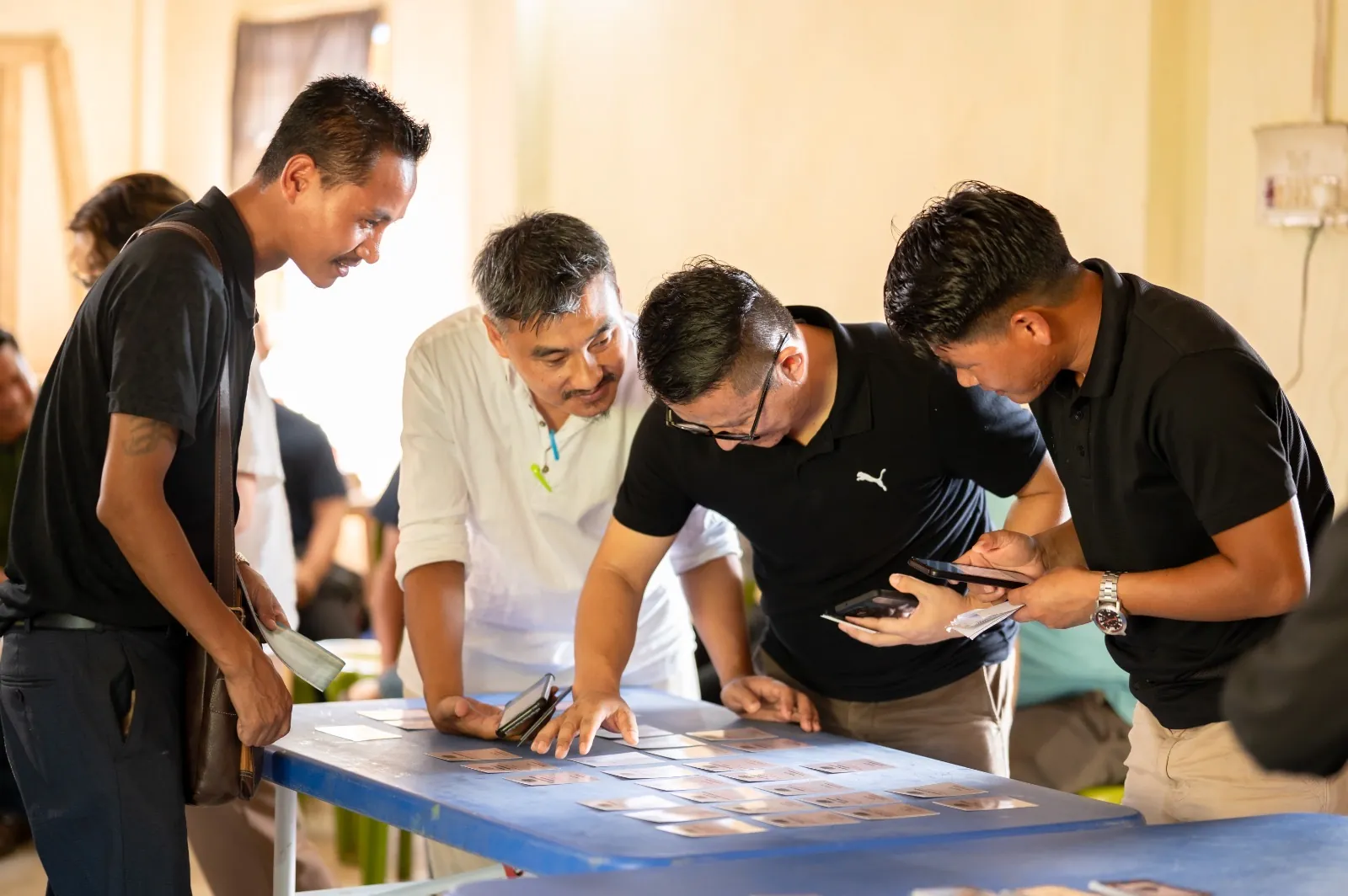
Short answer: Stakeholder management for managers is the ongoing work of knowing everyone who can affect your team's work or is affected by it, understanding what each of them actually needs, and keeping those relationships in good enough shape that your projects get the decisions and the money they depend on. Two things separate the managers who are good at this from the ones who suffer. They treat different people differently instead of broadcasting the same update to a distribution list. And they invest in the relationship months before they need the favour.
Key takeaways
| Move | What it means | When it pays off |
|---|---|---|
| Map your stakeholders | Plot everyone on power vs interest, not just the org chart | Before any project, revisit quarterly |
| Treat people differently | Match contact style and frequency to each person's stake | Every interaction |
| Lead with their goals | Frame your ask in terms of what they care about | Whenever you need a decision or resource |
| Invest before you need it | Build a reserve of trust through small regular contributions | Months before the favour, not the day of |
| Manage influence without authority | Earn cooperation through credibility and reciprocity | With every peer, leader, and department |
 What stakeholder management actually is
For a manager, a stakeholder is anyone who can affect your work or is affected by it: your boss, your boss's boss, peers in other teams, the finance person who approves your budget, the customer whose contract pays for the project, the vendor who delivers half of it, and the team you lead. Stakeholder management is the deliberate work of keeping all of those relationships healthy enough that, when you need a decision made, a budget approved, or a roadblock cleared, the people who control those things are already on your side.
Here's the part most guides skip. The hard version of this job isn't the people who report to you, where you have authority and a performance review. It's everybody who doesn't, where all you have is influence. Peers, senior leaders, other departments, partners. None of them can be told. They have to be persuaded, and persuasion runs on a currency you can only build slowly. Which is why stakeholder management gets harder as you get more senior, not easier. Nobody warns you about that bit.
 Step one: map your stakeholders
You cannot manage relationships you have not named. Start by listing everyone who can influence your work or is affected by it. Do not censor the list; a junior analyst who quietly briefs a senior decision-maker can matter more than the decision-maker's title suggests.
Then plot each person on a simple power-versus-interest grid. Power is how much they can help or block you. Interest is how much they care about what you are doing. Four quadrants fall out:
- High power, high interest (manage closely). Your key players. They can make or break the work and they care. These get your real time: direct conversations, early warning of problems, genuine involvement in decisions.
- High power, low interest (keep satisfied). They can block you but are not following the detail. Keep them confident with brief, headline-level updates. Do not flood them, or they start ignoring you.
- Low power, high interest (keep informed). Engaged but not decisive. They are often your best allies and informal champions. Feed them detail and let them advocate for you.
- Low power, low interest (monitor). Minimal, low-effort contact. Watch for movement, because people shift quadrants as projects change.
The map is not a one-time artefact. Power and interest move as priorities, budgets, and people change. Revisit it every quarter and at the start of anything significant.
Step two: treat different people differently
The most common mistake is treating everybody the same. Same status email, same detail, same frequency, one distribution list. It feels efficient and it feels fair. It is neither. The finance director who wants to know "on budget, yes or no" gets nine paragraphs and stops opening your mail. The peer who wanted the whole picture gets two lines and concludes you're hiding something. You have managed to under-serve every single person at once, efficiently.
Different stakeholders need different things. Map each key person against three questions:
- What do they actually care about? Cost, speed, risk, their own reputation, their team's workload. Frame everything you bring them in those terms.
- How do they like to receive information? A five-minute call, a one-line message, a formal document, a corridor chat. Use their channel, not yours.
- How often do they want to hear from you? Weekly, only when something changes, only when you need a decision. Match the cadence to the person.
This is not manipulation. It is respect. Giving a person information in the form and frequency that is useful to them is how you make their job easier, and making their job easier is the whole game.
Step three: lead with their goals, not yours
When you need something, the instinct is to explain why you need it. Wrong move. Explain why helping you gets them something they already want. "I need two more headcount" is a cost. "This protects the delivery date your customer is counting on" is an investment in their own outcome. Same ask. Completely different face across the table.
Which means you have to actually know what each person is measured on and quietly worried about. That's what the mapping is for. Influence is almost never a better argument. It's connecting your need to their interest until saying yes is simply the obvious thing for them to do, rather than a favour to you.
 Step four: invest in relationships before you need them
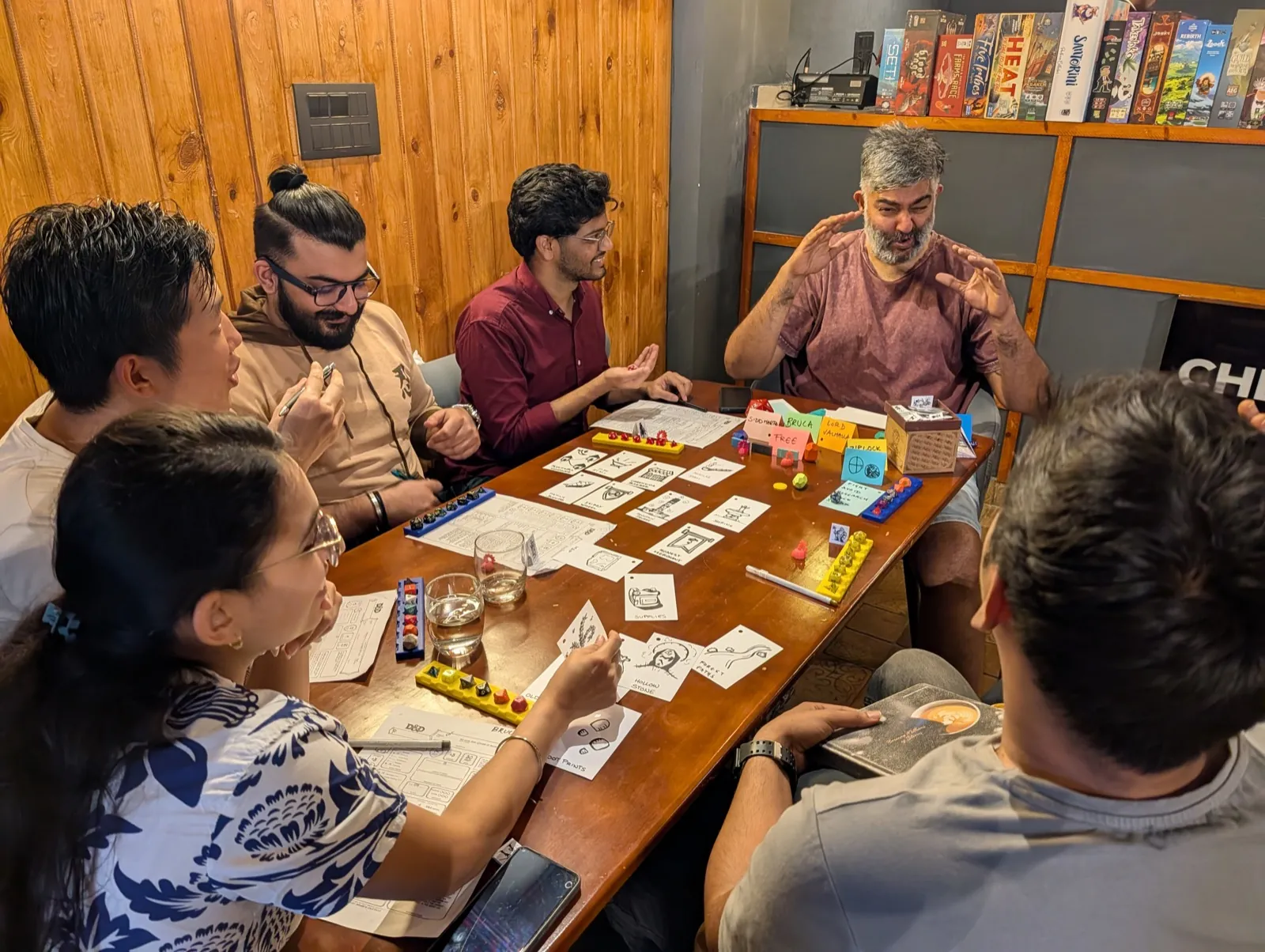
This is the one that separates the managers who always seem to get things unblocked from the managers fighting for every single approval. Influence is accumulated. It cannot be summoned. If the first time somebody hears from you is the day you want something, you are starting from zero with the clock running, and they can tell.
The managers who never have this problem have been making small deposits for months. A useful bit of information passed on with no strings. Help on somebody else's problem. An introduction. Credit given publicly, in front of the right person. Turning up on time for the small stuff. None of it looks like stakeholder management while it's happening. All of it is.
The flip side is less comfortable. Managers who only reach out when they want something, who treat colleagues as a resource to extract from, spend their reserve down to nothing and never notice. Hoarding your time until there's a return feels prudent. It just leaves you alone. Trust only grows when you spend it on somebody else first.
Step five: manage influence without authority
Most of stakeholder management happens outside your formal authority, so the tools are softer and slower:
- Reciprocity. Help first. People are wired to return favours, and the manager who consistently gives is the one whose requests get a yes.
- Credibility. Do what you said you would do, every time, especially the small things. Reliability is the cheapest trust you can buy.
- Consistency. Be the same person to everyone. Stakeholders compare notes, and a manager who tells different stories to different people gets found out fast.
- Visibility of others' wins. Make your stakeholders look good to their bosses. People remember who helped them get credit.
A short practice for managers
Stakeholder management is not a document you write once. It is a behaviour you build by repetition. The fastest way to get better at it is to run the loop deliberately for one real project: map the people, decide how each one should be treated, frame your asks in their language, and make at least one no-strings deposit with a key stakeholder every week. Do that for a quarter and the habit stops feeling like effort and starts feeling like how you work.
Where this gets practised: a serious game
Reading about treating people differently and investing early is easy. Doing it when the deadline is real and the obvious move is to keep everything for yourself - that's the actual skill. The gap between knowing and doing is the entire reason I build simulations instead of writing more slides. A designed experience where you do the behaviour and feel what it costs, rather than nodding at it.
Bloom is a garden. Different flowers, different kinds of people, and each one needs different care to grow. The lesson arrives in your hands rather than in your notes: investing in others compounds, and hoarding leaves you standing alone with a lot of unused water. Stakeholder management felt instead of lectured. That's why it's still there a month later.
Get manager playbooks and serious games by email
One short email when there's something worth using. A facilitation technique, a new game, or a look behind the curtain at a real session. Nothing weekly for the sake of weekly.
Frequently asked questions
Basics
What is stakeholder management for managers?
It is the ongoing work of identifying everyone who can affect or is affected by your team's work, understanding what each one needs, and managing those relationships so your projects get the support and decisions they depend on. It is a continuous habit, not a one-off mapping exercise.
How is it different from managing my team?
Managing your team runs on direct authority. Stakeholder management is mostly influence without authority, because peers, senior leaders, other departments, and partners do not report to you. You earn their cooperation through credibility, reciprocity, and trust.
Doing it
How do I map stakeholders?
List everyone who can influence or is affected by your work, then plot each on a power-versus-interest grid. Manage high-power high-interest people closely, keep high-power low-interest people satisfied, keep low-power high-interest people informed, and monitor the rest. Revisit quarterly.
How do I influence people who do not report to me?
Help first, do what you said you would do, stay consistent across everyone, and make your stakeholders look good to their own bosses. Influence is reciprocity and credibility accumulated over time, not a single persuasive argument.
Timing and trust
Why build relationships before I need them?
Because influence is accumulated trust, not a single ask. If the first time someone hears from you is when you want something, you start from zero with the clock running. Small regular deposits of help and goodwill build a reserve you can draw on when it matters.
How do I get better at this faster?
Practise the behaviour, do not just read about it. Run the full loop on one real project for a quarter, and use an experiential exercise like a serious game to feel the consequences of investing versus hoarding under pressure.
Related reading
- Serious games for leadership development: the complete guide
- The Put The Player First framework
- Bloom: the stakeholder and relationship game
Come and see the games Say hello
With love from Bengaluru, this is Arvindh saying over and out.