
Problem Solving for Teams: A Manager's Practical Guide
More minds is an advantage. Most teams throw it away.
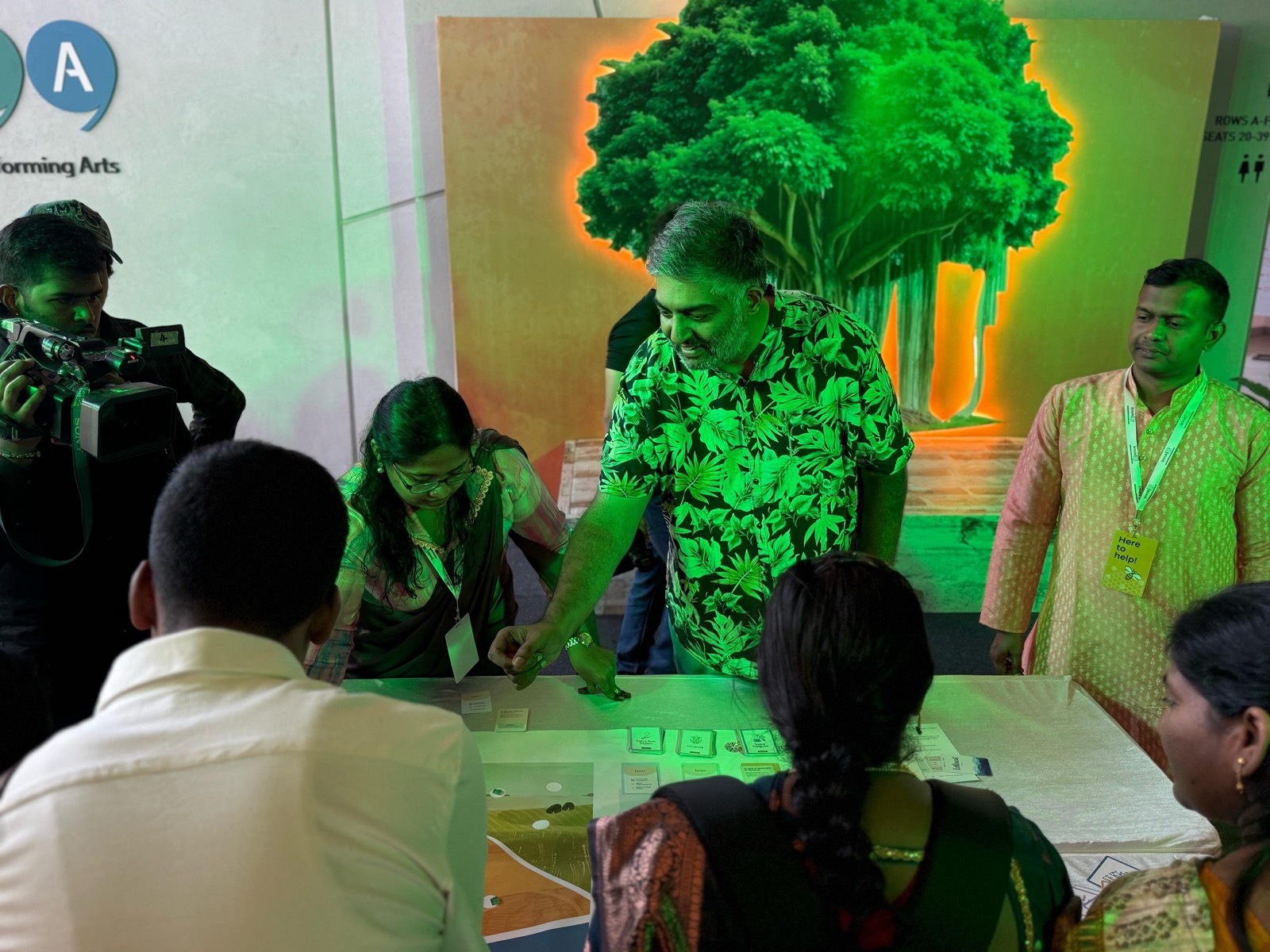
Short answer: Problem solving for teams works when the process pulls every person's private information into the open before the group commits to an answer, separates generating options from judging them, and matches the method to the problem (creative when you need more options, analytical when you need the right one). A team holds more information than any individual, but that only pays off if the way you run the discussion stops the first loud idea from becoming the decision.
Key takeaways
| The trap | What goes wrong | The fix |
|---|---|---|
| Anchoring | First idea voiced becomes the frame everyone debates inside | Collect ideas privately before any discussion |
| Hidden information | What one person knows never reaches the group | Round-robin every member before converging |
| Wrong mode | Critiquing before enough options exist | Separate diverge (generate) from converge (decide) |
| Status noise | Seniority gets mistaken for the answer | Most senior person speaks last |
| One attempt | Team tries one approach, fails, declares it unsolvable | Reframe and re-attempt from a different angle |
 Why teams sometimes solve problems worse than individuals
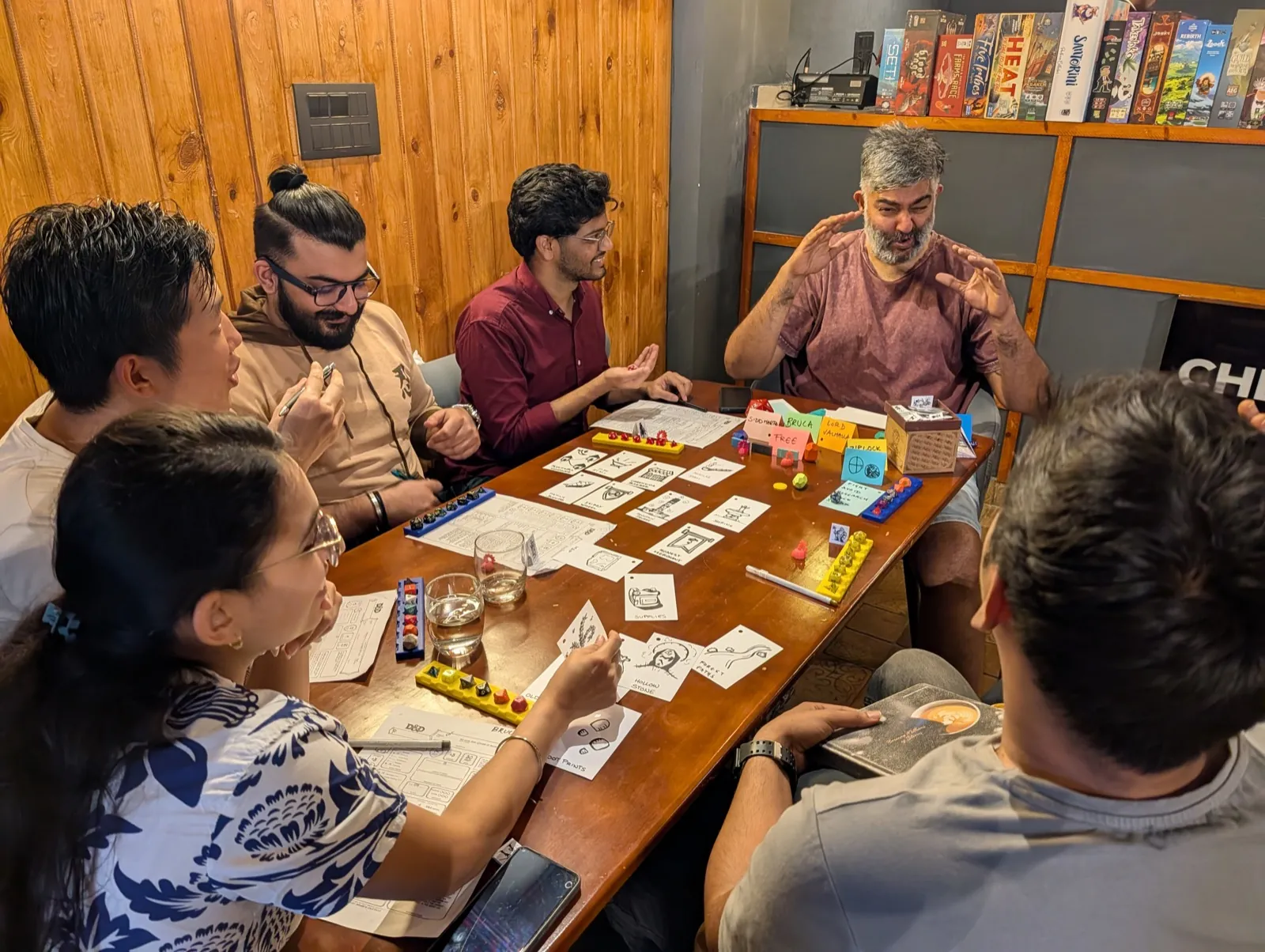
Here's the thing nobody says out loud in a workshop about collaboration. A group will very often land on a worse answer than its single best member would have reached alone, in half the time, on the train. Researchers call the gap between what a team could do and what it does process loss. It is the default. You have to design against it.
The mechanics aren't mysterious. The first idea spoken becomes an anchor and the whole conversation orbits it. The most senior or most confident voice sets the direction in minute three, and the quiet people quietly fold. One or two coast, on the reasonable assumption that somebody else has it. And the worst failure is the invisible one: the person holding the decisive piece of information never says it, because the discussion had moved on... or because it contradicted the room and they'd rather not, thanks. A team's whole advantage is that it collectively knows more than any one person in it. Process loss is that advantage staying locked in individual heads for the full sixty minutes.
 Distributed information: the advantage you keep wasting
This is what makes team problem solving genuinely powerful, and it's the exact thing most meetings throw in the bin. In any real team the information is split across people. The engineer knows the constraint the salesperson doesn't. The newest hire watched a customer react to something nobody senior was in the room for. Nobody can see the whole board.
The catch, shown over and over in group-decision research, is that teams over-discuss what everybody already knows and under-discuss what only one person knows. Shared information feels safe, so it gets repeated. Unique information feels risky, so it stays buried. The group spends its hour agreeing with itself and never hears the one thing that would have changed the answer. If you take one idea away from this page, take this. The job of a good process is to drag private information into the open before the group converges. Not after, in the corridor.
Creative versus analytical problem solving
Teams blur two different jobs together and then wonder why the output is mush. Different activities. Different conditions.
Analytical problem solving narrows. There's a right answer, or at least a best option, and the work is logic, data and elimination. It rewards convergence, a clear decision rule, and somebody willing to call it. Triaging an outage. Picking between three vendors on defined criteria.
Creative problem solving widens. The work is to expand the options before judging any of them, because the obvious answer is rarely the best one and the best one usually doesn't exist yet. It rewards suspended judgement and a hard ban on "that won't work" while ideas are still arriving. Naming a product. Rebuilding a broken process. Finding a path nobody has walked.
The classic failure is running analytical mode on a creative problem. The team critiques the first three ideas to death and never gets to the fourth one, which was the good one. The reverse - brainstorming happily past the point where a decision was needed an hour ago - is just as real, and considerably more fun. Say which mode you're in, out loud, before you start.
 Structured approaches that actually work
Structure isn't bureaucracy. Its whole job is to slow a team down at the one moment it desperately wants to speed up: the start. Most bad team decisions are made in the first five minutes, when the group grabs the first plausible fix and then spends fifty-five minutes defending it. Structure interrupts that, and nothing else does.
- Define the problem before solving it. Write down the actual problem in one sentence and get agreement. Teams routinely solve different problems in the same room without noticing. Tools like the five whys (ask why five times to get past the symptom) and the fishbone diagram (map causes by category) exist to stop you fixing the symptom.
- Gather what each person knows, separately. Before open discussion, have everyone note what they know and what they would do. This is the single highest-leverage move against both anchoring and hidden information.
- Diverge, then converge. Generate options first with judgement switched off. Only then evaluate, against a decision rule you agreed in advance. Keep the two phases physically separate so early ideas survive long enough to be useful.
- Decide and assign. Name the decision, the owner, and the check-in. A problem-solving session with no owner is a conversation, not a decision.
Getting everyone's signal heard
You will never get this by telling people to speak up. The quiet ones stay quiet, the confident ones fill the room, and you go home having mistaken volume for value. You get it by changing the mechanics instead:
- Write before you talk. Independent input first, on paper or in a doc, kills anchoring at the root. People commit to their own read before they hear anyone else's.
- Round-robin, not free-for-all. Go person by person so the floor is not won by whoever is fastest or loudest.
- Seniority speaks last. When the manager goes first, the manager's view becomes the gravity well. Speaking last lets the real signal surface before position distorts it.
- Name a signal-chaser. Assign someone whose explicit job is to ask "what does someone here know that we haven't heard yet?" and to draw out the person who has not spoken.
Trying the same problem different ways
Strong teams have one habit weak teams don't. When an approach fails, they change the angle instead of deciding the problem is unsolvable. A stuck team repeats the same failed move, louder. A good team treats the first failure as information about the approach, not a verdict on the problem.
In practice, build the reframe in on purpose. Thirty minutes head-on and nothing? Invert it - what would guarantee failure here? Shrink it - solve the smallest possible version first. Or hand it to a different sub-group with clean eyes. The team that can run one problem through three frames is the team that cracks the ones everybody else declared impossible.
Why you can only see this under real constraints
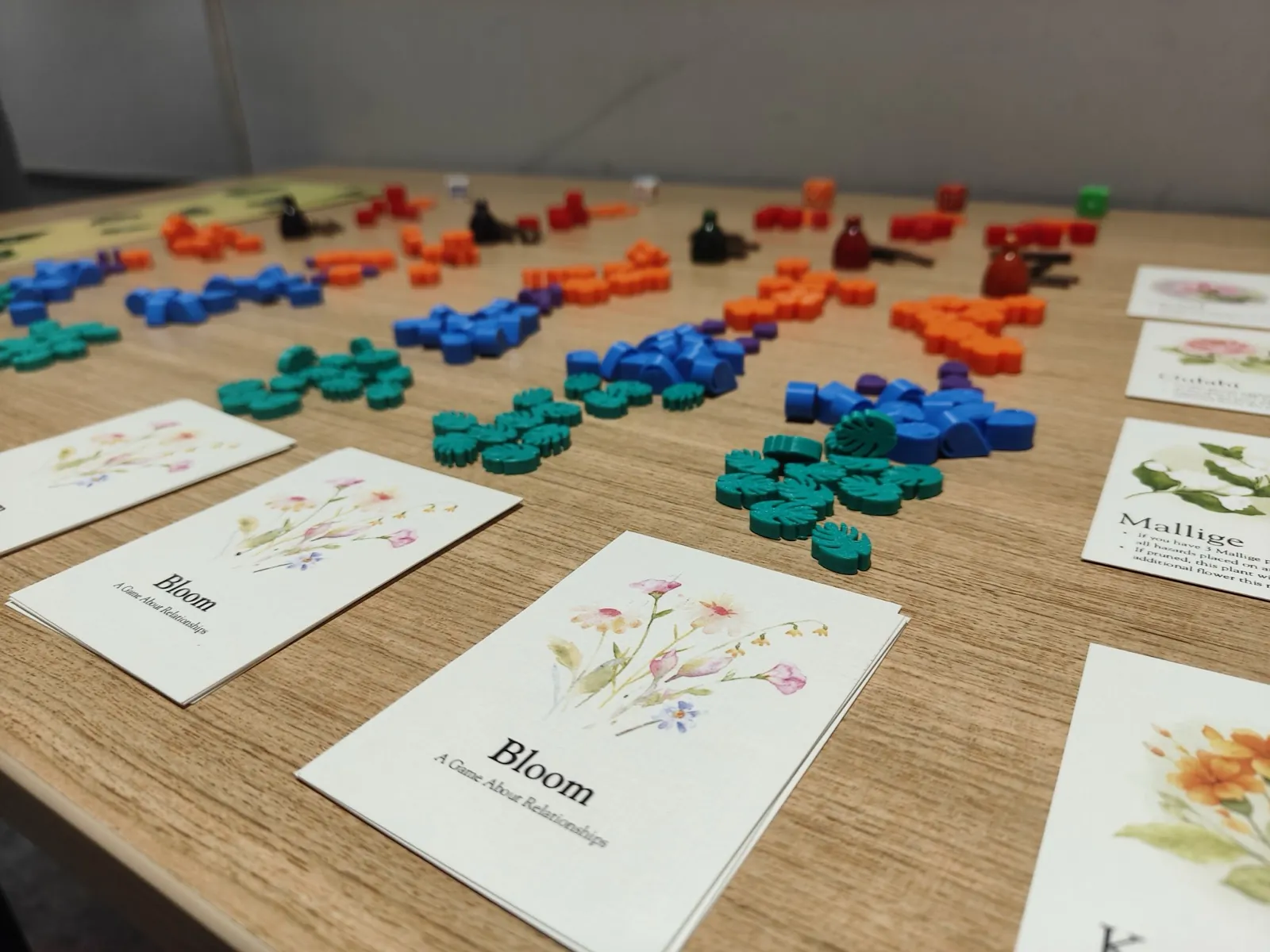
You can only watch a meeting go well when the answer is already known and nothing is at stake. Which is to say, never on the day it matters. The real behaviour - who hoards, who anchors, who actually takes somebody else's signal on board, who can switch between generating and deciding - only turns up under genuine constraint. Limited time. Information split across people. A consequence for being wrong. That's the gap a well-built serious game closes. It manufactures those conditions deliberately so the behaviour has nowhere to hide, and then the debrief turns what just happened into something the team can change on Monday.
That's the whole idea behind putting the player first. The game exists to make real decisions visible, not to smuggle a lecture in wearing a costume. Two of mine are built precisely around team problem solving.
Sticky Fingers (creative problem solving under pressure)
Sticky Fingers is a card-deck museum heist, escape-room style, with the information deliberately split across the players. Nobody holds the full picture and the clock is running. It's the distributed-information problem made physical. The team only wins if it surfaces what each person is quietly sitting on, opens up the options, and coordinates before it converges. Every failure mode on this page - anchoring, hoarding, deciding far too early - turns up on the table, in front of everybody, where you can finally talk about it.
Chaos in the Kitchen (coordination under load)
Chaos in the Kitchen puts a team under mounting operational pressure and watches communication break down at exactly the moment it's needed most. It's the execution side of the same coin. Clear goals, real constraints, and a team that has to keep talking to each other while the load climbs.
Get facilitation playbooks and new games by email
One short email when there's something worth using. A new game, a debrief technique, or a look behind the curtain at a real session. Nothing weekly for the sake of weekly.

Frequently asked questions
Basics
Why do teams sometimes solve problems worse than individuals?
Because of process loss. Anchoring on the first idea, deference to the loudest or most senior voice, social loafing, and information that only one person holds never reaching the group. The team has more information than any individual, but only a deliberate process converts that into a better answer.
What is a structured problem-solving approach for teams?
One that forces order at the start: define the real problem, gather what each person knows separately, diverge to generate options, then converge on a decision rule. The five whys, fishbone diagrams, and the diverge-converge loop all impose this discipline.
Approach
What is the difference between creative and analytical problem solving?
Analytical narrows toward the one correct answer and rewards convergence. Creative widens the option space first and rewards suspended judgement. Most failures come from running the wrong mode: critiquing before enough options exist, or brainstorming past the point a decision was needed.
What do you do when a team is stuck?
Reframe instead of repeating the failed move louder. Invert the problem, shrink it to its smallest version, or hand it to a sub-group with fresh eyes. Treat the first failure as information about the approach, not a verdict on the problem.
Practice
How do you make sure everyone's input is heard?
Change the mechanics, not the encouragement. Independent written input before discussion, round-robin sharing, the senior person speaking last, and someone assigned to actively chase the quiet signal.
How can you tell if a team is actually good at problem solving?
Not from a low-stakes meeting. Put them under real constraint, limited time, information split across people, a consequence for being wrong, and watch who hoards, who anchors, and who integrates. A designed serious game makes exactly that behaviour visible.
Related reading
- Serious games for leadership development: the complete guide
- The Put The Player First framework
- Sticky Fingers: the museum-heist problem-solving game
- Chaos in the Kitchen: coordination under pressure
Come and see the games Say hello
With love from Bengaluru, this is Arvindh saying over and out.