
Executive Team Building
For leadership teams whose real problem is not bonding - it is alignment, politics and silos.
Here's the thing nobody says out loud about senior offsites. Your leadership team does not have a bonding problem. They get on fine. They have a problem with the things they will not say in a meeting - the competing agendas, the quiet politics, the fact that every one of them is protecting their own scorecard and everyone knows it.
So that is what I build for. I put those forces into a game where the consequences are fake but the behaviour is completely real, let them come out under pressure, then use the EPPA debrief to walk every move back to your actual boardroom.
Knowledge transfers. Behaviour does not. So I work on the behaviour directly, while it is happening in front of us.
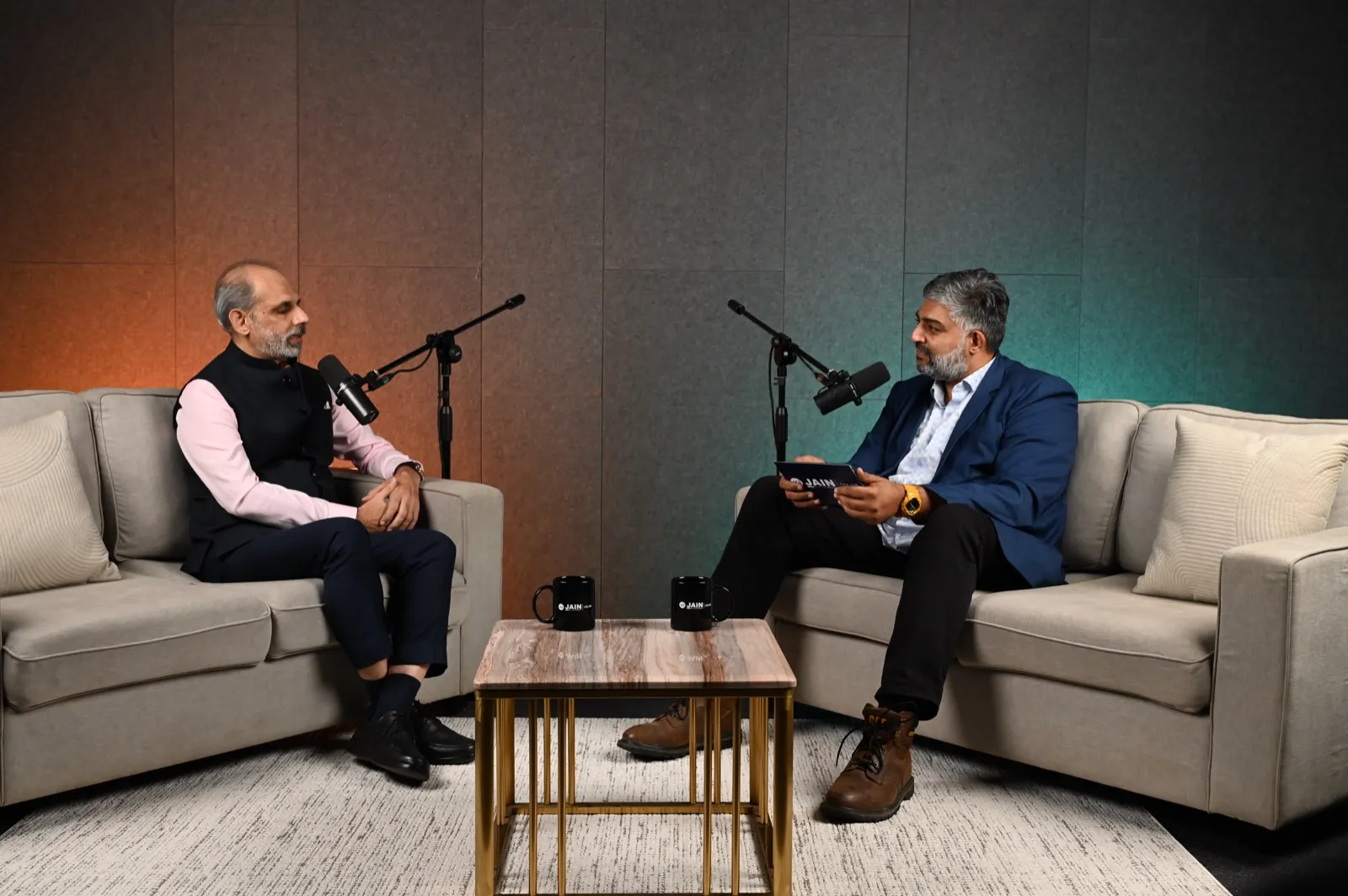
 Why the usual senior offsite leaves the real problem untouched
Golf. Dinner. A guest speaker. Some very tidy facilitation. It builds rapport, which is genuinely not nothing.
But rapport is not alignment, and your leaders already like each other enough to be polite. The expensive stuff is sitting one floor down. Your CFO and your revenue chief want different things out of the same quarter. Product and sales are trading blame in a way that is almost impressive. And every function is defending a budget line that your own strategy document says should move.
None of that comes out over dinner. Everyone is on best behaviour, nothing is on the line, and the wine is quite good. So you all go home warm, and the frictions come home with you.
They didn't go anywhere. They just stayed invisible, which is the worst possible place for them to be.
 How I put the politics on the table, on purpose
A game flips it. I give your leadership team scarce resources, objectives that don't fit together, and real pressure. Then I stand back and watch what they do.
Now the behaviour is on the table as moves. Not as opinions in an engagement survey.
- You watch the coalition form - and you watch who gets quietly left outside it. The same alliances that run your real strategy calls, assembling in front of you in about eleven minutes.
- You see the exact second a leader burns the shared win to protect their own number. The trade-off nobody would ever admit to in a meeting, made out loud, with a name on it.
- Senior teams give the richest debriefs of anyone. Experienced operators read incentives fast and play hard to win, which is precisely what makes their politics visible. And then, mostly, they have the self-awareness to recognise the pattern as their own.
- And they'll be honest about it, because it's a game. The behaviour they would defend to the death in a real meeting can finally be owned in this one.
That last point is the whole trick, and you can read the broader method on the team building games for employees pillar.
Two games built for senior trade-offs - I pick the one that fits your friction
Different problems need different containers. I pick the game that matches the friction you actually have, not the one I most enjoy running.
When the silos are functional
Five strong local plays that add up to a weak company. That is Ripple Effect. Five CXOs, one company, the same finite pile of decisions. Everyone optimises their own corner beautifully and the enterprise number quietly bleeds out while all five scoreboards stay green.
Your leaders feel the cost of their own silo. Feeling it beats hearing about it. Always has.
When the problem is politics and coalitions
Power, negotiation, who lines up with whom. That is Welcome to Zombiepuram - a large-group game where nobody has the full picture, alliances form and fall apart, and everyone has to negotiate on incomplete information.
Which is, if we're being honest, the actual condition every real strategy decision gets made under. The room maps onto your boardroom almost uncomfortably well.
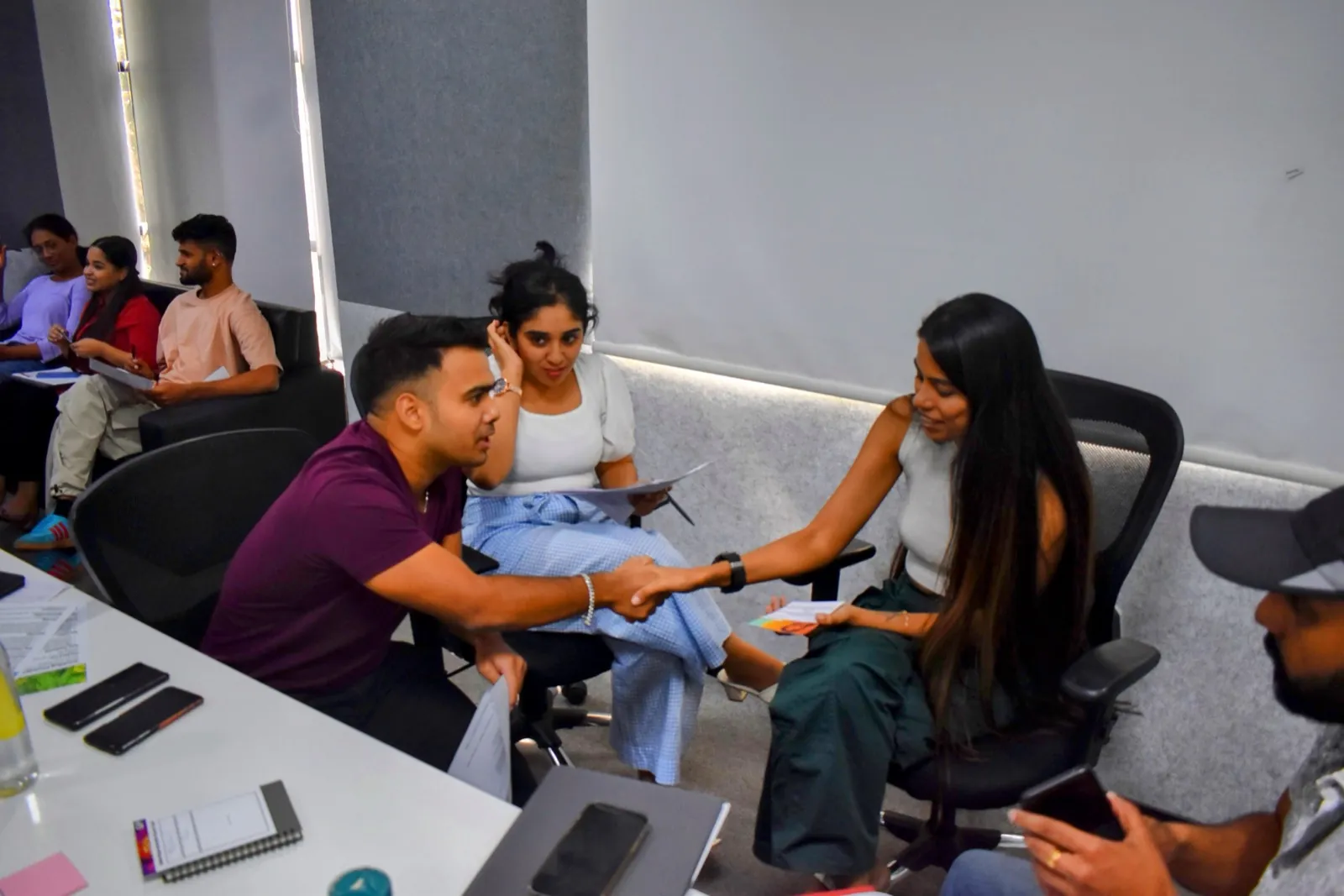
 The debrief is where a game becomes change
The game makes the behaviour. The EPPA debrief is where it turns into something you can use on Monday.
We walk back through what actually happened. The coalition that formed. The trade-off somebody refused. The function that got quietly sacrificed in round three and never mentioned again. And each one gets connected to a live decision your leadership team is sitting on right now.
You do not leave with a feel-good summary. You leave with a shared, named account of how your team behaves under pressure, and specific agreements your leaders carry into the next real conversation. If you want the longer version of how I run this with senior teams, the leadership guides hub goes deeper.
Straight answers
How is this different from a normal executive offsite?
Golf and dinner keep everyone on best behaviour, so the real friction never turns up. A game puts your team under pressure with competing goals and not enough resources, and suddenly the alignment gaps and turf protection are sitting on the board as moves rather than as opinions in a survey. Then I connect those moves to the decisions actually in front of you.
Will senior leaders really take a game seriously?
Yes, and they give me the best debriefs of anyone. Experienced leaders read incentives fast and play to win, which is exactly what makes the politics visible. And because nothing real is at stake, they can be honest about behaviour they would defend to the death upstairs. The facilitation is built for that level of scrutiny.
Why in person only?
Because the social dynamics are the data. Who lobbies whom on the way to the loo. Who forms a coalition. Who goes very quiet when their function loses out. None of that survives a video grid. For leadership teams the unspoken layer is the entire point, so senior sessions are in the room or not at all.
What do we walk out with?
A shared, named account of how your team behaves under pressure. Where alignment breaks. Where local scorecards beat the shared goal. Which silo is costing you most. Plus specific agreements your leaders take straight into the next real decision.
With love from Bengaluru, this is Arvindh saying over and out.