
Serious Games for Leadership Development
Why they work when workshops don't.
Serious games are consequence-based decision environments where participants practice leadership in real-time systems that respond to their choices — making behaviour visible in ways traditional training cannot.
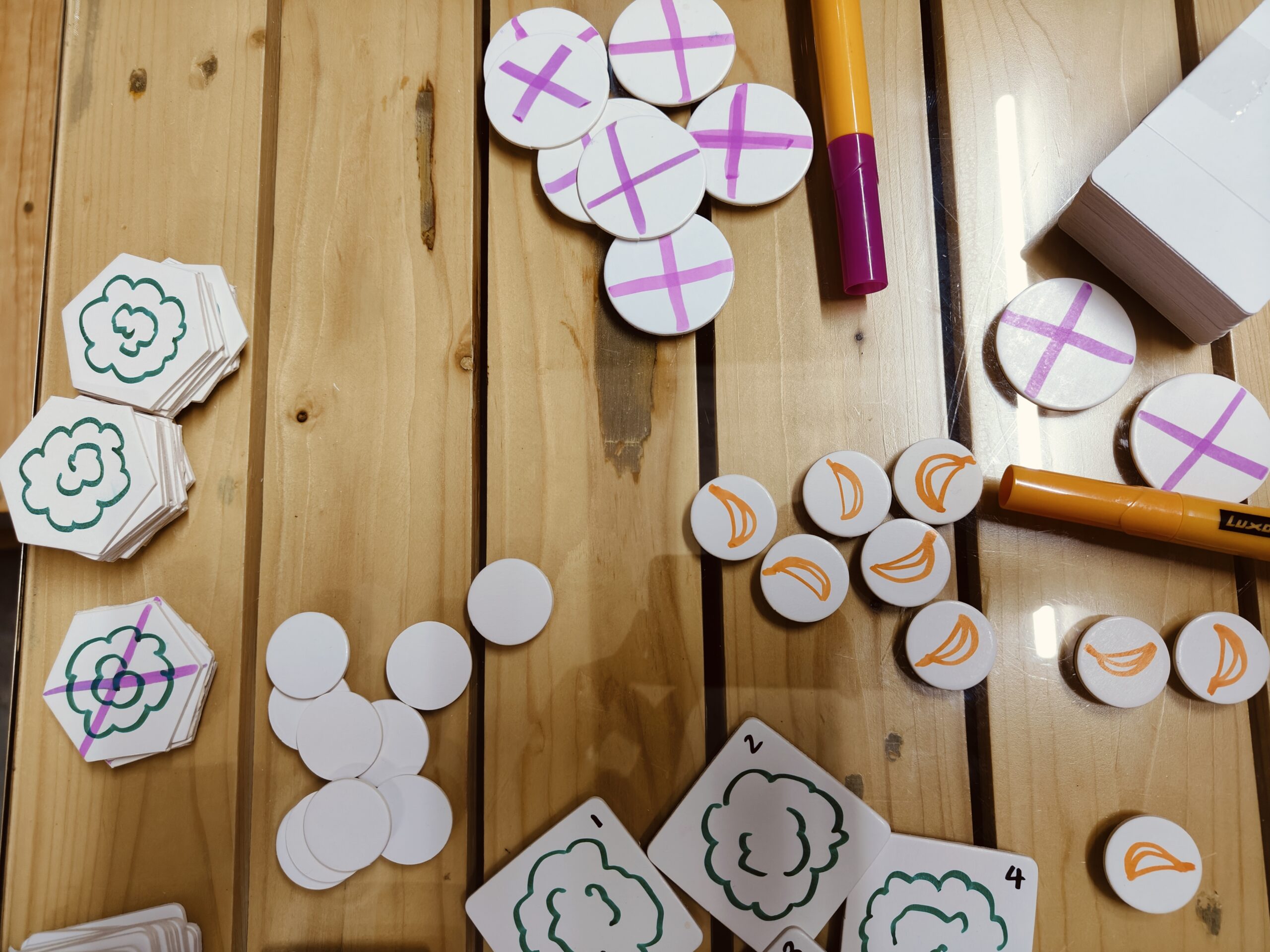
How Serious Games Work
Serious games create environments where leaders must make decisions under pressure with incomplete information, revealing authentic behaviour rather than the polished version that emerges in safe training settings.
The Problem with Conventional Training
Traditional workshops prioritise safety and clarity, which paradoxically prevents genuine leadership behaviour from surfacing. Participants perform compliance rather than demonstrating actual decision-making under constraints.
Four Decision Architectures
The games are built around four core structures that create the conditions for authentic behaviour:
Scarcity
Insufficient resources force prioritisation choices — revealing who protects their interests and who builds alliances.
Asymmetric Information
Different participants know different facts — surfacing influence patterns and trust-building approaches.
Interdependence
Success becomes mathematically impossible alone — requiring coalition-building and negotiation.
Cascading Consequences
Early decisions reshape subsequent choices — testing systems thinking and long-term trade-offs.
The Debrief Process
Sessions use the EPPA loop: Experience → Patterns → Principles → Application, converting behavioural data into actionable insights that participants commit to acting on.
Delivery Details
- Duration: 90 minutes to half-day sessions
- Scale: 12 to 100+ participants
- Facilitation: Led directly by Arvindh Sundar, the designer
- Format: In-person only